




Top stories


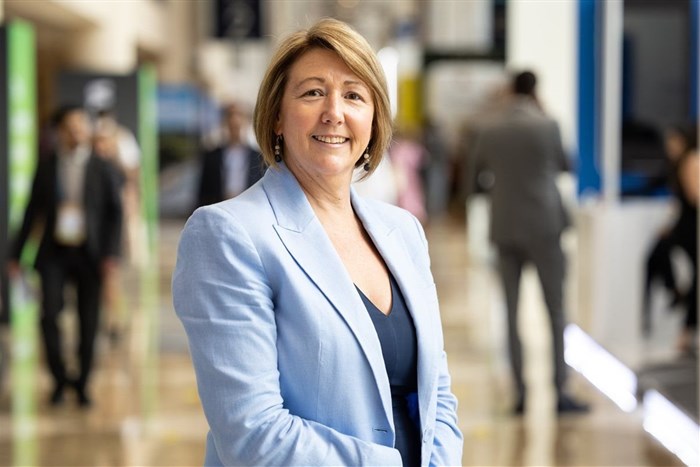
Speaking ahead of Arabian Travel Market (ATM) 2026, Curtis says stronger trade partnerships, year-round engagement and greater use of digital technologies could help local tourism businesses capitalise on growing demand from Gulf Cooperation Council (GCC) travellers.
Taking place at Dubai World Trade Centre from 14 to 17 September under the theme Travel 2040: Driving New Frontiers Through Innovation and Technology, the event will bring together destinations, airlines, hospitality brands, tourism boards and travel technology providers to examine the opportunities and challenges influencing global tourism.
Bizcommunity spoke to Curtis about traveller confidence, opportunities for South African tourism businesses, the technologies delivering measurable results and the trends expected to define travel over the coming years.
Despite continued geopolitical developments in the Middle East, Curtis believes the region's tourism industry has once again demonstrated its ability to adapt and recover.
"The Middle East has consistently demonstrated impressive resilience. While geopolitical developments naturally attract global attention, the region's travel and tourism sector has repeatedly shown its ability to adapt and recover," she says.
She says the industry's focus has shifted beyond recovery towards building a more resilient, innovative and future-focused tourism landscape.
She also points to recent comments by Dubai Corporation for Tourism and Commerce Marketing (DCTCM) CEO Issam Kazim, who said Dubai's appeal is grounded in operational reality, with the city's tourism infrastructure, public services and global connectivity continuing to operate smoothly.
Curtis believes ATM has consistently provided a platform for the industry to come together during periods of change.
"We expect this year to be no different, with the event serving as a forum for meaningful discussions around market confidence, resilience and the future of global travel."
She says the industry's response to the event's revised dates has also reflected that resilience.
"The response from exhibitors, buyers and partners has reinforced the travel industry's shared commitment to the continued success of Arabian Travel Market," she says.
While rescheduling an event of ATM's scale was not a decision taken lightly, Curtis says the constructive engagement from exhibitors, buyers and strategic partners has reinforced ATM's role as a platform for networking, knowledge sharing and commercial growth.
Curtis believes South African tourism businesses remain well positioned to capitalise on growing outbound demand from the Gulf Cooperation Council (GCC), particularly as travellers increasingly seek authentic, luxury, wellness and family-focused experiences.
"The GCC remains one of the world's most valuable outbound travel markets," she says.
While South Africa already offers many of the experiences GCC travellers are looking for, Curtis believes there is significant scope to strengthen year-round engagement through targeted marketing initiatives and stronger partnerships with travel trade partners across the Gulf.
She also sees an opportunity for tourism businesses to make greater use of digital tools and emerging technologies to improve visibility and customer engagement.
"Overall, South African tourism businesses have a clear opportunity to deepen their presence in the GCC, build long-term partnerships and further capitalise on growing demand in an increasingly competitive market."
Curtis says platforms such as ATM play an important role in facilitating these connections by helping tourism businesses showcase new experiences, strengthen relationships with Gulf travel partners and engage directly with key decision-makers.
For Curtis, the technologies creating the greatest impact across travel are those solving practical operational challenges rather than simply introducing new digital capabilities.
"What's becoming increasingly clear is that the technologies delivering real impact in travel are those that solve practical challenges rather than add complexity," she says.
Artificial intelligence is increasingly helping businesses personalise customer experiences, improve customer service and strengthen demand forecasting, while automation is streamlining booking systems, revenue management and operational processes.
Automation across booking systems, revenue management and back-end operations is also improving efficiency, allowing businesses to focus more on the guest experience.
Curtis also points to growing momentum around data integration and digital identity, helping reduce friction throughout the traveller journey from planning through to arrival.
"In a market where expectations continue to rise, solutions that make travel smoother, faster and more seamless are gaining the most traction."
These developments will be reflected at ATM 2026 through the launch of ATM Travel Tech as a dedicated co-located event, alongside the new Tech & Innovation Hub, showcasing technologies already delivering measurable business value across the sector.
"Luxury travel is one of the most dynamic and resilient segments of the global tourism industry, and we expect it to be a major focus at ATM 2026," says Curtis.
She expects destinations able to demonstrate resilience, connectivity and seamless visitor experiences to generate the most interest this year, with reliability, safety and ease of travel becoming increasingly important in destination choice. Luxury travel, wellness, family travel, business events and experiential tourism are all expected to remain strong areas of demand.
As traveller expectations evolve, the definition of luxury is also changing. Rather than traditional luxury alone, today's travellers are increasingly seeking personalised, experience-led journeys centred on authenticity, wellness, privacy, sustainability and seamless service.
Curtis says significant investment across the Middle East in luxury hotels, branded residences, wellness destinations, bespoke experiences and premium aviation continues to reinforce the region's long-term tourism ambitions.
Despite recent regional challenges, she says the long-term outlook for luxury travel across the Middle East remains strong as destinations continue investing in premium hospitality, wellness experiences and aviation while adapting to evolving traveller expectations.
At ATM 2026, luxury travel will once again feature prominently, bringing together hospitality brands, destinations, travel advisors and innovators to explore changing traveller preferences, emerging source markets and the impact of technology and sustainability on premium travel experiences.
Rather than being defined by a single trend, Curtis believes the future of travel will be shaped by the convergence of technology, evolving traveller expectations and the industry's ability to adapt to an increasingly dynamic environment.
"Innovation is no longer just about adopting new technologies; it is about rethinking how the industry delivers better experiences, operates more efficiently and builds for long-term growth," she says.
Artificial intelligence, smarter mobility and seamless digital experiences will continue transforming every stage of the traveller journey, while travellers increasingly seek authentic, flexible and personalised experiences.
Curtis says sustainability is also becoming a more important consideration for both travellers and businesses, while emerging markets and business events will continue driving collaboration, knowledge sharing and economic growth.
Curtis also expects sustainability to play an increasingly important role for both travellers and tourism businesses, alongside the continued rise of emerging source markets and the ongoing importance of business events in driving collaboration and economic growth.
Those conversations will form the backbone of ATM 2026, bringing together leaders from tourism, aviation, hospitality and travel technology to exchange ideas and explore how the industry can respond to changing market dynamics.
For Curtis, however, success will ultimately be measured by outcomes rather than attendance figures.
"Success for ATM 2026 will be measured by far more than attendance. It is about creating an environment where the travel community can come together to build meaningful relationships, exchange knowledge and leave with ideas and partnerships that deliver long-term value."
This year's conference programme, spanning the Global Stage, Future Stage and Experience Hub, will focus on topics including AI, travel technology, aviation, destination resilience, sustainability, luxury travel and the evolving traveller experience.
She adds that the real measure of success will be the partnerships and progress created once the event concludes.
"Ultimately, success will be measured by how effectively ATM turns conversation into action. When ideas turn into partnerships, partnerships turn into progress, and every participant leaves better equipped to shape what comes next for the industry."
