What's the story that deserves to exist?
Mike Sharman


Speaking to Bizcommunity at Africa's Travel Indaba 2026, which took place from 11-14 May at the Inkosi Albert Luthuli International Convention Centre Complex (ICC Durban), Mokgethi said domestic tourism has remained resilient even as travellers face higher fuel prices and rising flight costs.
“South Africans are very resilient travellers,” she said. “The latest numbers we have show domestic tourism growth of 38% compared to last year.”

While economic pressure is expected to influence future travel behaviour, Mokgethi said local tourism has continued performing strongly since the Covid-19 pandemic shifted consumer focus towards exploring South Africa.
According to Mokgethi, domestic tourism closed off last year with 11% growth, despite broader economic pressures facing consumers.
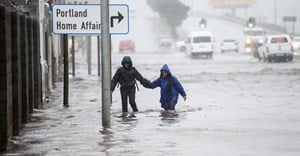
She pointed to KwaZulu-Natal’s strong December tourism performance as an example of how destinations are rebuilding traveller confidence following previous flooding concerns.
“KZN performed exceptionally well after communicating that beaches were clean, there was no flooding and things were back to normal,” she said.
The Western Cape also continued performing strongly, while Limpopo recorded some of the highest domestic tourism numbers in the country last year.
Mokgethi added that South Africans have increasingly embraced local travel since the Covid-19 pandemic.
“People rediscovered local travel after Covid-19 and realised the importance of exploring their own country,” she said.
According to Mokgethi, travellers are increasingly prioritising wellness-focused experiences and shorter getaways.
“People want opportunities to relax, reset and focus on their mental wellbeing,” she said.
Outdoor activities such as hiking are becoming particularly popular due to their affordability and wellness benefits.
“Hiking gives people a chance to clear their minds while also feeling a sense of achievement,” she said.
Traditional travel segments such as beach and bush tourism continue to perform strongly, while destinations within a few hours’ driving distance are seeing growing interest due to rising fuel costs.
Mokgethi said younger travellers are emerging as one of the strongest growth segments within domestic tourism.
“They are more spontaneous and willing to explore,” she said.
This shift is contributing to growing demand for accessible short-break travel experiences across the country.
She added that affordability is increasingly influencing destination choices, with travellers favouring shorter trips that are easier and less expensive to reach.
Mokgethi also highlighted the role of small tourism businesses and community tourism initiatives in strengthening the sector.
“We need to stop limiting businesses by constantly placing them into the ‘SME’ category,” she said.
According to Mokgethi, small tourism businesses play an important role in local economic development because they create employment opportunities within their own communities.
“If somebody owns a guesthouse in a township or small town, they hire locally and contribute directly to growing that community,” she said.
She added that Sho’t Left also plays an important role in helping smaller tourism operators gain visibility and access to wider domestic audiences that they may not otherwise be able to reach through traditional marketing channels.
For many tourism businesses, particularly SMEs and emerging destinations, participating in Sho’t Left creates opportunities to increase awareness, attract new travellers and position their offerings within South Africa’s broader domestic tourism market.
Mokgethi said partnerships and industry exposure remain important in helping smaller tourism operators strengthen their businesses, improve visibility and compete more effectively within the sector.

Looking ahead, Mokgethi said community-driven tourism development would play an increasingly important role in the sector’s long-term growth.
“We want people to explore different communities and build pride in local destinations,” she said.
“If Soweto can become a tourism destination, then other communities can too.”
She added that domestic tourism remains important not only for the travel sector, but also for local economic development and job creation.
When South Africans travel locally, tourism spending directly supports small businesses, accommodation providers, restaurants, guides, and surrounding communities.
Mokgethi encouraged travellers to continue taking a Sho’t Left and discovering more local destinations, experiences and cultures across the country.
“Nothing is more fun than taking a Sho’t Left,” she said.
Tourism enterprises interested in participating in Sho’t Left Travel Week 2026 can sign up via the Sho’t Left Trade site.