






Top stories


ESG & SustainabilityCape Town Stadium urine-recycling innovator selected for 2026 Africa Prize
29 Sep 2026


Energy & Mining#AEW2026: Eni, Dangote, TotalEnergies and more win big at African Energy Awards
15 Oct 2026


A song released more than 20 years ago, Sophie Ellis-Bextor's Murder on the Dancefloor, found a whole new audience after Saltburn. Kate Bush's Running Up That Hill became one of the biggest songs in the world again because of Stranger Things.
Beyoncé who is likely a Tyla influence has perhaps been the clearest example of this. Renaissance sparked renewed appreciation for the Black pioneers of house, disco and ballroom culture whose influence underpinned the album, while Cowboy Carter encouraged listeners to revisit Dolly Parton, Linda Martell and the artists who helped shape country music long before Beyoncé stepped into the genre. Her music isn't just introducing audiences to something new; it's inviting them to look backwards, rediscover forgotten influences and appreciate the cultural lineage behind the work.
Nostalgia has become more than a feeling. It's become cultural currency.
A few months ago, I interviewed Asmirh Davis, founding partner and president of Majority, about what allows brands to cut through in an increasingly crowded world. Her answer has stayed with me ever since.

"The work that cuts through is culturally relevant and resonant. Not just on trend, but rooted in how people actually live – the nuances, the artefacts of now, and what's coming next."
Then she added something that feels just as relevant to music.
"It's based on a specificity. Even if you don't share that lived experience, you recognise the human truth in it. It resonates."
That's the thing about nostalgia. It isn't really about the past. It's about recognising something authentic.
When Tyla released her sophomore album, I found myself doing exactly what nostalgia encourages us to do.
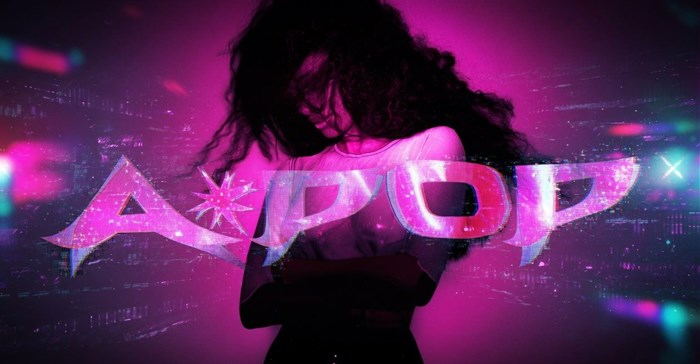
I put on Moneoa's Yekelela and shared it to my Insta Story with the caption: "This is my A-Pop."
The replies gave away everyone's age. Boom Shaka. TKZee. Lebo Mathosa. Teargas. Mafikizolo. Brenda Fassie. HHP.
It reminded me that our musical history already lives comfortably in our collective memory. We don't need an anniversary tour or a Netflix documentary to remember these artists. Mention one song and people are instantly transported back to school dances, when it felt like DJ Kent was playing every matric farewell and inter-school event in my circle, Channel O countdowns, YOTV and afternoons spent waiting for your favourite music video to come on.
Those artists shaped fashion, language, dance, advertising, television and youth culture. They became part of the cultural fabric of a generation. The same can be said for artists like Moneoa, Teargas and Mafikizolo.
Those are the artefacts Davis was talking about.
Which brings me back to Tyla.
Among the many reactions to her new album has been a familiar thread: the suggestion from some international listeners that it doesn't sound "African enough". Others have questioned collaborations such as Ziyon Hamilton's appearance on Fairytale, or expressed disappointment that the album doesn't lean further into the sonic cues they associate with African music.
People are, of course, entitled to dislike an album. Critiquing songwriting, production, pacing or features is part of engaging with music.
But expecting an African artist to sound like Beyoncé on Black Is King is ridiculous. Expecting what Beyoncé and her collaborators find nostalgic to align with what your community finds nostalgic is equally misguided.
It's the kind of expectation artists from Europe or North America rarely have to navigate. Nobody asks Dua Lipa to sound "more European" or Sabrina Carpenter to sound "more American". Their music is allowed to exist without carrying the burden of representing an entire continent.
The irony is that the artists who travel furthest are often the ones who are most specific.
Tyla didn't break through by trying to sound like everyone's version of Africa. She broke through by sounding like herself.
The same could be said for Boom Shaka. Or Brenda Fassie. Or Lebo Mathosa. Or TKZee. Their music wasn't trying to explain South Africa to the world. It simply reflected the worlds they knew, and that authenticity is precisely what gave it lasting cultural value.
For anyone who works in media, branding or marketing, that's worth paying attention to. The conversations that shape culture rarely begin with a strategy deck. They begin with shared memories, familiar references and the moments that make people say, "I remember exactly where I was when I first heard that."
South Africa has those moments in abundance.
Maybe Tyla's new album is simply a reminder to go back and find them again.
So I'll leave you with a question.
What's your A*Pop?

