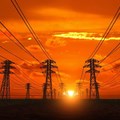
Zimbabwe will start operating a new unit at its only coal-fired power plant by March, the country's deputy energy minister, Magna Mudyiwa, said on Wednesday, 8 February, providing relief to millions of citizens rocked by frequent power outages in recent months.
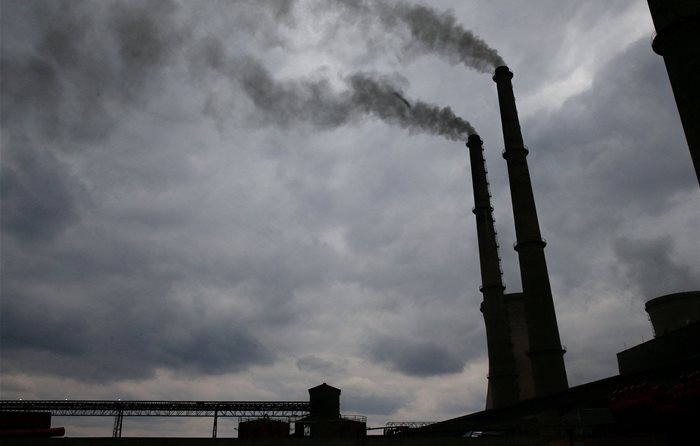
Hwange Power Station in Hwange, Zimbabwe. Source: Reuters/Philimon Bulawayo
The new unit of the Hwange power plant will lift the African nation's installed capacity by more than 14% to 2,400 megawatts (MW). The next unit is expected to be commissioned soon after, Mudyiwa said, without giving a timeline.
Less than half of Zimbabwe's 16 million citizens have access to electricity, and a global squeeze on funding new coal-fired capacity has limited the country's ability to plug chronic power cuts that have lasted as long as 18 hours in recent days.
Electricity generation
"We have the capacity to generate up to 2,100MW from our power sources but at the moment we're generating far less than that..about 1,000MW," Mudyiwa told Reuters.
"But our demand for electricity is about 1,700MW so we have a serious deficit," she said.
Deficient rainfall has led to a decline in hydropower generation, while the efficiency of the sole, decades-old coal-fired utility has dipped sharply over time while power demand has surged in recent years due to higher mining and agricultural activity.
The International Monetary Fund counts electricity shortages as one of the major factors weighing Zimbabwe's growth prospects.
Lack of funding for coal-fired power is driving the mining and agriculture-dependent economy to import costly power from regional neighbours including Zambia and Mozambique.