
Youth participation remains key to land reform success, says Vumelana
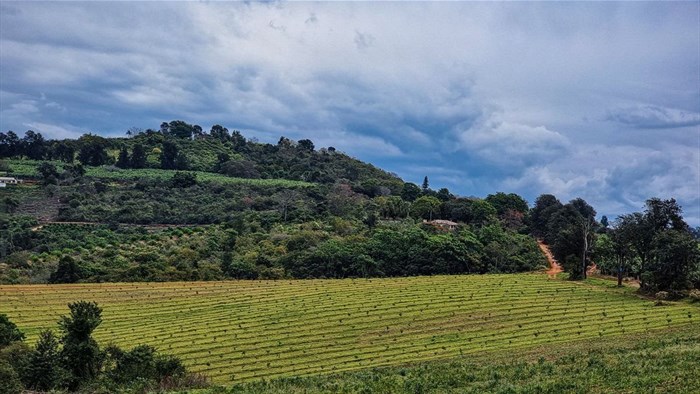
Vumelana argues that land reform should extend beyond the transfer of land and focus on ensuring restituted land is used productively to create sustainable economic opportunities.
The organisation says a lack of post-settlement development remains one of the biggest obstacles facing young people seeking to participate in the sector.
Without operational capital, technical expertise and risk-mitigation support, many communities struggle to unlock the economic potential of restored land.
The organisation notes that young people also face challenges in accessing finance, as lenders typically require collateral, established balance sheets and proven operational track records.
Community-private partnerships
Peter Setou, chief executive of the Vumelana Advisory Fund, says securing private-sector investment is only part of the solution. “If we do not structurally integrate young people into the governance, operations and leadership of these partnerships today, the country would have failed young people and the generations to come,” he says.
“Preserving restituted land for the future requires an aggressive, intentional commitment to youth involvement now to ensure the long-term sustainability of restituted land."
Setou says Community Private Partnerships (CPPs) provide a framework for helping beneficiary communities put restituted land to productive use.
Under the model, land-owning Communal Property Associations (CPAs) partner with experienced commercial operators to support agricultural and tourism ventures.
Since 2012, Vumelana has supported 77 transactions and concluded 26 partnership agreements through the CPP model.
According to the organisation, these transactions have mobilised R1bn in private investment, have the potential to create or preserve 2,500 jobs, benefit 16,000 land reform beneficiary households and place more than 76,000 hectares of land into productive use.
Examples of youth involvement
Vumelana points to several projects where young people have been integrated into land reform initiatives.
At the Giba CPA in Mpumalanga, a partnership with private investor W van R Schmidt facilitated investment in infrastructure, irrigation and energy systems across 2,700 hectares of subtropical farmland.
The project has provided opportunities for young beneficiaries, including administrator Bheki Mlaudzi and entrepreneur Bhekumuzi Sibiya, who established a security company servicing the farming operation.
At the Barokologadi CPA in North West, youth-focused initiatives have included technical training, IT support programmes and livestock training opportunities through the Kgora Agricultural Training Institution.
The organisation also highlighted the Coromandel Trust in Mpumalanga, where poultry farmer Perfect Khoza has used restituted community land to establish a broiler farming business despite infrastructure, financial and climate-related challenges.
Scaling successful models
Setou says more support is needed to expand successful land reform initiatives and improve opportunities for young people.
He argues that increased post-settlement support, improved access to finance and markets, and stronger governance and capacity-building programmes will be required to scale existing successes.
“These pockets of success highlight the model’s potential. Now the challenge is to scale these successes to unlock similar outcomes across the country," he says.